For nearly two billion Muslims around the world, prayer—known in Arabic as Salah—is far more than a daily routine. It is the second of the Five Pillars of Islam, standing immediately after the declaration of faith. Every day, observant Muslims turn toward Mecca five times to pray: at dawn, noon, mid-afternoon, sunset, and night. This practice shapes the rhythm of life in countries as diverse as Indonesia, Egypt, Turkey, and Pakistan, and it remains one of the most visible expressions of Islamic devotion.
The numbers tell a striking story. Indonesia alone is home to roughly 209 million Muslims and approximately 800,000 mosques, making it the world leader in both categories . Globally, the five daily prayers create a shared schedule that connects factory workers in Jakarta, students in Cairo, and professionals in London. Each prayer takes only a few minutes, but the consistency matters deeply to believers. The Prophet Muhammad compared the five prayers to a river outside one’s door: bathing in it five times daily leaves no dirt behind .
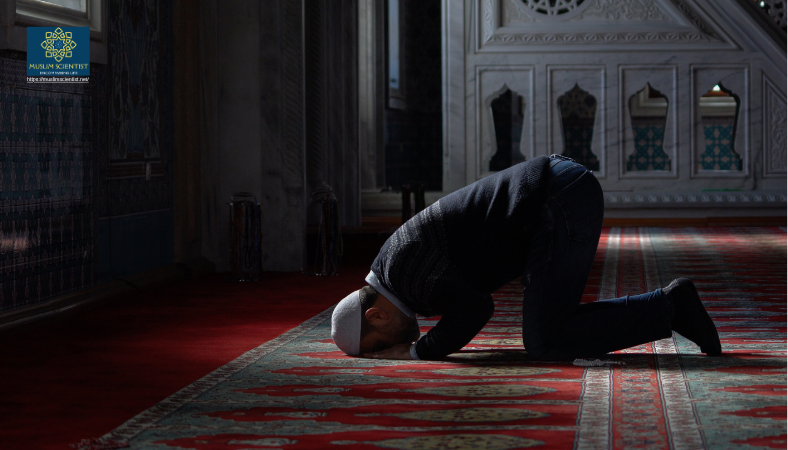
What does prayer actually involve? Before praying, Muslims perform a brief washing of the face, hands, and feet. They face the Kaaba in Mecca, raise their hands, and begin with the words Allahu Akbar—God is Greatest. The prayer includes standing, bowing, prostrating, and sitting, accompanied by recitations from the Quran. The opening chapter, Al-Fatihah, is recited in every single prayer unit .
For non-Muslims, the most common question is simply: why five times? Muslims explain that the frequency builds discipline and keeps God present throughout the day. It is not meant as a burden. A widely reported saying of the Prophet describes prayer as a key to Paradise and a source of inner peace . Congregational prayer at a mosque carries extra reward—twenty-seven times greater than praying alone, according to one well-known tradition .
Practical details matter for understanding. Prayer times shift with the sun, so summer and winter schedules differ. Travelers and the ill receive exemptions or shortened forms. Clean clothing and a clean place are required, but no special attire is needed—Muslims pray in offices, airports, and university corridors when necessary . In Indonesia, the call to prayer echoes from tens of thousands of mosques simultaneously, a soundscape familiar to anyone who has visited the archipelago.
Critics sometimes wonder whether such structure feels mechanical. Regular worshippers describe the opposite: a five-times-daily pause that interrupts stress, reframes priorities, and creates small moments of calm. Whether viewed as spiritual discipline, community glue, or personal reset, Salah remains the beating heart of daily Islamic life—a pillar that literally holds up the faith.
What the Second Pillar Actually Means
Islam rests on five pillars, and the second is Salah—the five daily prayers. This is not a voluntary extra. Every adult Muslim who is mentally and physically able is expected to pray. The practice comes directly from the Quran and from the example of the Prophet Muhammad. In the Quran, God instructs believers to “establish prayer,” and a verse in Surah An-Nisa states that prayer has been “enjoined on believers at stated times” . For ordinary people—whether Muslim or simply curious—Salah is the most visible daily act of Islamic worship. It happens in living rooms, offices, schools, and mosques, not just on Fridays or holidays. The prayer is short. Each of the five takes somewhere between five and ten minutes. But the regularity is the point. Muslims describe prayer as a direct link between the worshipper and God, with no intermediary needed .
The Five Daily Prayers: A Schedule Anyone Can Understand
The day is divided into five prayer windows, each tied to the sun’s position. Fajr happens before sunrise. Zuhr falls just after midday. Asr arrives in the mid-afternoon. Maghrib begins immediately after sunset. Isha closes the day at night . Because these times follow the sun, they shift gradually through the year. In places with extreme daylight variations, communities follow established local schedules. Before each prayer, Muslims perform wudu—a brief washing of the face, hands, arms, and feet. No special clothing is required beyond modesty and cleanliness . The prayer itself involves standing, bowing, prostrating, and sitting, with Quranic recitation. The opening chapter, Al-Fatihah, appears in every unit of prayer. This consistency means that even a child who prays occasionally will learn the same core verses by heart.
The Five Daily Prayers at a Glance
| Prayer Name | Time Window | Typical Duration | Notes for Ordinary People |
|---|---|---|---|
| Fajr | Before sunrise | 5–10 minutes | Often prayed at home or mosque before work/school |
| Zuhr | Just after midday | 5–10 minutes | Midday break; many pray at workplace |
| Asr | Mid-afternoon | 5–10 minutes | Late afternoon pause |
| Maghrib | Immediately after sunset | 5–10 minutes | Breaks the day; often followed by dinner |
| Isha | Night | 5–10 minutes | Final prayer before sleep |
Source: Standard Islamic prayer schedules and community practice .
Why Prayer Matters Beyond the Individual
Salah is personal, but its effects ripple outward. The Quran states that prayer “prohibits immorality and wrongdoing” . In practical terms, Muslims describe the practice as a training ground for patience, honesty, and self-restraint. The Prophet Muhammad once asked his companions: if a river flowed past your door and you bathed in it five times daily, would any dirt remain? They said no. He replied that the five prayers similarly wash away sins . Community bonds strengthen through congregational prayer. At mosques, people from different backgrounds stand shoulder to shoulder. A well-known tradition holds that praying in congregation is twenty-seven times more rewarding than praying alone . This explains why mosques remain busy even outside Friday services. In Indonesia, the world’s largest Muslim-majority country, prayer callers broadcast from an estimated 744,000 to 800,000 mosques . The sheer scale illustrates how deeply prayer is woven into daily public life.
How Many People Pray, and Where
Precise global counts of “people who pray five times daily” do not exist, but Muslim population figures offer a reliable proxy. Indonesia leads with approximately 209 million Muslims. India follows with about 176 million. Pakistan, Bangladesh, Nigeria, and Egypt all host populations where daily prayer is widely practiced . Mosque counts provide a second useful measure. Table 2 shows countries with the largest number of mosques, a direct indicator of infrastructure built around the five daily prayers.
ountries with the Most Mosques (a proxy for prayer infrastructure)
| Country | Estimated Mosques | Muslim Population (approx.) |
|---|---|---|
| Indonesia | 744,000–800,000 | 209–249 million |
| India | ~300,000 | ~176–200 million |
| Bangladesh | ~250,000 | ~150 million |
| Pakistan | ~120,000 | ~240 million |
| Egypt | ~100,000 | ~90 million |
Sources: Geo Data & Rankings, World Population Review, and recent statistical summaries .
Common Questions People Actually Ask
“Do Muslims have to pray exactly on time?” Prayer windows are flexible within their limits. Fajr can be prayed from before dawn until just before sunrise. Isha extends until midnight in most scholarly opinions. Work and school do not excuse prayer, but timing can accommodate real-life schedules.
“What if someone misses a prayer?” Most scholars say a missed prayer should be made up as soon as possible. The emphasis is on returning to the routine, not on guilt.
“Can women pray during menstruation?” No. Islamic law exempts women from prayer during menstruation, and missed prayers during this time are not made up. This is a mercy, not a penalty, in mainstream understanding.
“Do you have to go to a mosque?” No. Prayer is valid almost anywhere clean—home, office, park, or airport . Mosques are preferred for congregational reward, but the obligation is fulfilled anywhere.
“What do non-Muslims notice most?” The physical movements—bowing and prostrating—and the sound of recitation. For neighbours and colleagues, the most familiar aspect is simply the rhythm: five short pauses, every single day.
The Bottom Line for Ordinary Readers
Salah is not a mysterious or exotic practice. It is a structured, short, repeated act of devotion that shapes the day of hundreds of millions of people. Whether one sees it as spiritual discipline, community ritual, or personal reset, its place as the second pillar of Islam is secure. For anyone seeking to understand Muslim life—whether a neighbour, teacher, employer, or curious reader—the five daily prayers offer the clearest window into what the faith actually looks like in practice.