A comprehensive review published in the journal Human Vaccines & Immunotherapeutics has shed light on the complex relationship between Islamic faith and vaccine acceptance among Muslims worldwide. The research, conducted by experts from the United Arab Emirates University, Loma Linda University, and Harvard T.H. Chan School of Public Health, reveals that while certain religious misinterpretations fuel vaccine hesitancy, the core tenets of Islamic law overwhelmingly support vaccination.
This review arrives at a critical moment for global public health. Vaccine-preventable diseases have recently resurged in several Muslim-majority countries, including Indonesia, Pakistan, Malaysia, and Afghanistan. Understanding the religious factors behind vaccine hesitancy has become essential for public health authorities striving to protect communities from preventable outbreaks.
Understanding the Scale of the Problem
Vaccine hesitancy refers to the delay in acceptance or refusal of vaccines despite availability of vaccination services. This growing global health concern has fueled the resurgence of diseases that were nearly eliminated in many parts of the world.
Vaccine-Preventable Disease Outbreaks in Muslim Communities
| Country | Disease Outbreak | Year | Key Contributing Factor |
|---|---|---|---|
| Indonesia | Diphtheria | 2017 | Religious concerns over halal content |
| Malaysia | Diphtheria | 2018 | Religious beliefs and health fatalism |
| Pakistan | Polio | Ongoing | Religious conspiracy theories |
| Afghanistan | Polio | Ongoing | Religious opposition |
| Sudan | Measles | Recurring | Religious group opposition |
| Aceh, Indonesia | Measles, Rubella | 2018 | Fatwa declaring vaccines haram |
What This Means: When vaccine coverage drops below certain thresholds, diseases that were once controlled can quickly resurge, putting entire communities at risk.
Why Muslims Hesitate: Key Factors
The review identifies several interconnected reasons for vaccine hesitancy among Muslims:
Halal Content and Labeling: Concerns about vaccine ingredients derived from pigs (porcine gelatin, trypsin) represent the most significant religious barrier. Parents worry that vaccines containing impure substances violate Islamic dietary laws.
Religious Leader Influence: Imams and religious scholars wield enormous influence over community attitudes. When religious leaders speak against vaccination, it can dramatically reduce uptake.
Conspiracy Theories: Many Muslim communities have been exposed to claims that vaccines are part of Western conspiracies to sterilize Muslims or weaken their populations.
Health Fatalism: Some Muslims believe health outcomes are predetermined by God, making preventive measures like vaccination seem unnecessary or even disrespectful to divine will.
Institutional Mistrust: In some countries, particularly where Muslims are minorities, discrimination within healthcare systems has eroded trust in vaccination programs.
Countries Where Vaccine Hesitancy Has Caused Outbreaks
Indonesia: The World’s Largest Muslim Population
Indonesia, home to more Muslims than any other country, experienced a massive diphtheria outbreak in 2017 due to suboptimal childhood vaccination coverage. In 2018, a fatwa from Indonesian Islamic clerics declared measles and rubella vaccine forbidden (haram) because pig components were used in manufacturing. Immunization rates plummeted dramatically, reaching as low as 8% in Aceh province, which is ruled by sharia law.
The study by Padmawati and colleagues revealed that although religious leaders recognized the severity of rotavirus diarrhea and considered vaccination advisable, they insisted that halal labeling was required for community acceptance and maintenance of trust. This demonstrates how even well-intentioned religious leaders can inadvertently contribute to vaccine hesitancy when they demand halal certification without fully understanding the Islamic principles that already permit vaccination.
Pakistan: Conspiracy Theories and Violence
Pakistan, with the world’s second-largest Muslim population, ranks third globally for under-vaccinated children. Research exploring reasons for non-vaccination revealed that the most common barriers were lack of knowledge and religious taboos. Many religious leaders in the country actively discourage vaccination, making statements such as:
- “The imam has forbidden the use of vaccines as they contain porcine components.”
- “Vaccination is a conspiracy of the Zionists. Vaccinating our children will inevitably make them sterile.”
These conspiracy theories have had deadly consequences. In January 2014, three members of a polio vaccination team, including two women, were shot dead in Karachi. The anti-vaccination sentiment resurfaced powerfully during the COVID-19 pandemic, spreading widely on social media and reaching millions of Pakistanis.
Malaysia: Pockets of Unvaccinated Children
In 2018, Malaysia witnessed a diphtheria resurgence with four cases, including the death of a two-year-old unvaccinated child. Despite acceptable overall immunization rates, pockets of unvaccinated children created vulnerability. Parental reasons for refusing childhood vaccinations included lack of confidence in modern medicine, pharmaceutical conspiracy theories, preference for natural health approaches, and religious beliefs.
One parent captured a common sentiment: “If God created humans to withstand diseases by giving them an immune system, then vaccines were unnecessary.” This reflects religious health fatalism—the belief that health outcomes are predetermined and inevitable.
Sudan: Religious Groups and Anti-Vaccination Fatwas
In Sudan, low measles vaccine coverage and frequent outbreaks have been linked to opposition from religious groups, especially the Ansar Al-Sunna group. In 2007, the leader of Sudan’s Muslim Brotherhood issued a fatwa prohibiting child vaccination, claiming vaccines were a conspiracy of Jews and Freemasons. This demonstrates how even official religious authorities can spread dangerous misinformation.
Somalia Muslims in Minnesota: A Success Story
In the United States, Minnesota has the largest population of Somali Muslims in North America. This community experienced significant COVID-19 vaccine hesitancy, mirroring patterns seen in Muslim-majority countries.
Public health officials responded by adopting culturally relevant information and trusted messengers. Information campaigns were organized with interpreters translating medical information into Somali dialects. Imams used Friday sermons to correct misconceptions about vaccine safety. These measures dramatically increased vaccine confidence and uptake.
This success story illustrates the powerful positive role that religious leaders can play when properly engaged in immunization programs. Instead of being barriers, they became vital partners in protecting community health.
What Islamic Law Actually Says About Vaccination
The review provides an in-depth discussion of sharia (Islamic law) perspectives on vaccination, demonstrating that Islam’s core teachings strongly support immunization. Understanding these principles is crucial for countering misinformation.
The Principle of Seeking Treatment
Vaccination falls under the significant Islamic principle of “seeking treatment via medication.” When the Prophet Muhammad, peace be upon him (PBUH), was asked whether medication should be taken, he replied: “Take medication, God Almighty did not create a disease without appointing a medication for it, except for one disease: aging.”
The Prophet (PBUH) further emphasized this by explaining that seeking treatment is not contrary to God’s destiny and fate—it is actually from God’s fate and destiny. Islamic scholars have long distinguished between dependence (relying solely on God without pursuing means) and reliance (having strong faith while adopting material means). Vaccination represents reliance on God through the means He has provided.
Preservation of Life: A Core Islamic Value
One of the primary objectives of sharia is the preservation of life. When not seeking medical treatment may lead to infection or death, seeking treatment becomes a religious obligation. The International Islamic Fiqh Academy issued this position in 1992, and similar statements have been made by fatwa committees in Malaysia and elsewhere.
The Prophet (PBUH) emphasized social responsibility in preventing epidemics. When a delegation including a leper visited Medina, the Prophet accepted the leper’s conversion but forbade his entry into the city—demonstrating the necessity of quarantine and preventing disease spread. His famous guidance states: “If you hear of an outbreak of plague in a land, do not enter it; but if the plague breaks out in a place while you are in it, do not leave that place.”
Addressing Concerns About Porcine Ingredients
The review addresses the most common religious objection: vaccines containing pork-derived substances. It presents several arguments for permissibility:
First: If vaccines contain no forbidden substances, they are automatically permissible. The basic Islamic principle is that things are permissible until evidence of prohibition exists.
Second: Even if vaccines contain impure substances, the Qur’an permits consuming forbidden things in cases of necessity. Surah Al-An’am states: “If someone is compelled by necessity—neither driven by desire nor exceeding immediate need—then surely your Lord is All-Forgiving, Most Merciful.” Not vaccinating can lead to death, which the Qur’an explicitly forbids.
Third: The principle of istihala—complete chemical transformation—renders impure substances pure. When pork derivatives are transformed through chemical processes into a new substance with different characteristics, they become permissible. The World Health Organization Regional Office for the Eastern Mediterranean has officially endorsed this view, stating that gelatin formed from the transformation of impure animal parts is pure and permissible.
Fourth: The minor harms from vaccination (fever, temporary side effects) are outweighed by the greater harm of epidemic disease. Islamic jurisprudence follows the principle that lesser harm is accepted to prevent greater harm.
State Authority to Compel Vaccination
Islamic scholars have long recognized the state’s authority to compel medical measures that achieve the greatest public benefit. Historic scholars, including Ibn Rushd (1058 CE), Al-Karmi (1624 CE), and Al-Bahouti (1641 CE), gave examples of states imposing quarantine on lepers to prevent epidemics.
The Prophet’s guidance that “Every one of you is a shepherd and is responsible for his flock” establishes governmental responsibility for protecting public interests. The Qur’an makes it obligatory to obey the orders of the ruler and the state: “O believers! Obey Allah and obey the Messenger and those in authority among you.”
When guardians fail to protect children from harm, Islamic jurisprudence permits transfer of this responsibility—first to other guardians, then to the state. The state, through the ministry of health, is obliged to make vaccination mandatory during epidemics.
Recommendations for Public Health Officials
The review offers several evidence-based recommendations for addressing vaccine hesitancy in Muslim communities:
Engage Religious Leaders Early: Collaborations among political, public health, and religious leaders are key to resolving immunization objections. Messages from religious leaders have proven more effective in forming favorable public opinion than messages from political or medical leaders.
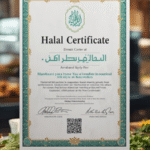
Provide Halal Certification: Halal labeling is required for community acceptance and maintenance of trust. Fatwa councils should use sharia principles like istihala to grant halal certificates for vaccines.
Use Culturally Relevant Messaging: Information campaigns should be tailored to specific communities using trusted messengers. Friday sermons, community meetings, and translated materials have proven effective.
Address Specific Concerns: Identify the specific reasons for vaccine hesitancy in each community—whether halal concerns, conspiracy theories, or other factors—and target interventions accordingly.
Adopt Multi-Component Interventions: The World Health Organization recommends social mobilization with religious leaders, raising awareness of vaccine-preventable diseases, and communication training for healthcare workers.
Partner with Islamic Scholars: Co-design interventions with trusted religious leaders. The Mewat district of India successfully increased vaccine confidence by engaging faith leaders to broadcast videos with advice and personal stories.
Conclusion
Vaccine hesitancy represents a serious public health challenge in many Muslim communities, fueled by religious misinterpretations, conspiracy theories, and institutional mistrust. However, the core principles of Islamic law strongly support vaccination.
The preservation of life, prevention of harm, and social responsibility are central to Islamic teachings. When religious leaders properly understand and communicate these principles, they become powerful allies in immunization programs rather than barriers to vaccine acceptance.
This review demonstrates that most vaccine refusal among Muslims stems from traditional or social factors rather than true religious principles. Addressing misinformation, providing halal certification, engaging religious leaders, and adopting culturally appropriate messaging can significantly improve vaccine uptake.
The success stories from Minnesota’s Somali community and India’s Mewat district show that when public health officials partner effectively with religious leaders, vaccination rates improve. As the global community continues to face infectious disease threats, understanding and addressing the religious dimensions of vaccine hesitancy will remain essential for protecting public health in Muslim communities worldwide.