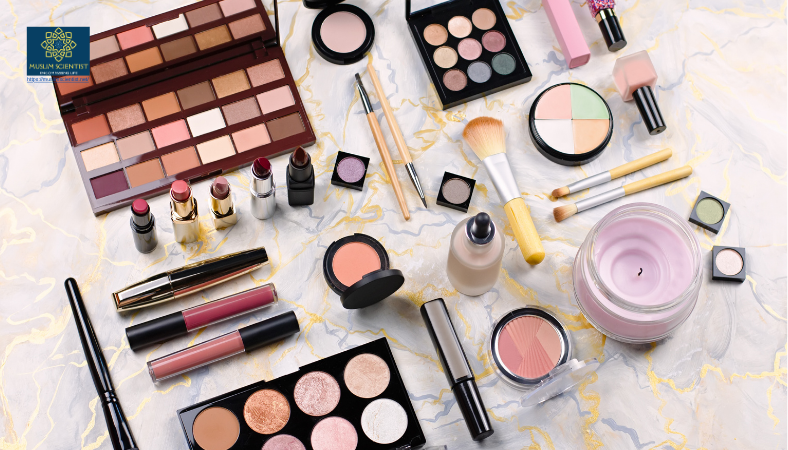
In the heart of Osaka, a quiet revolution is unfolding within the beauty industry. Hajime Skincare & Herb, the first halal-certified skincare brand established by an Indonesian founder in Japan, is challenging conventional norms in a nation where awareness of halal beauty remains nascent. This pioneering venture reveals both promising opportunities and formidable challenges in bringing halal cosmetics to Muslim-minority countries .
A $115 Billion Global Opportunity
The global halal cosmetics industry is expanding at an unprecedented pace. In 2024, the market was valued at approximately USD 47.76 billion, with projections suggesting it will more than double to USD 115.03 billion by 2032. This represents a compound annual growth rate of 11.67% . While Muslim-majority nations like Indonesia and Malaysia have traditionally dominated this space, search interest is surging in non-traditional markets. For instance, Google Trends data reveals significant consumer curiosity in countries like South Korea and Japan, where interest in halal beauty products increasingly extends beyond religious observance to encompass broader ethical, sustainable, and clean beauty values .
Meet Hajime Skincare & Herb
Established in 2020, Hajime Skincare is the first Indonesian-owned halal skincare company in Japan. The brand name “Hajime” holds dual significance: in Japanese, it means “first” or “beginning,” while also honoring the founder’s first son. This personal touch underlines the brand’s mission to pioneer halal awareness beyond food, into essential personal care products .
| Product Type | Description |
|---|---|
| Enchante Hot Cleansing Gel | A gel cleanser that removes makeup and clears excess sebum and sweat. |
| Enchante Facial Lotion | Softens the skin, boosts collagen production, acts as a skin barrier protector, and balances pH levels. |
| Enchante Facial Treatment Gel | A moisturizing toner that smoothens and hydrates; contains marine collagen and elastin, and is free from irritants, fragrance, and colorants. |
| Enchante Facial Serum | A moisturizing essence serum containing marine collagen and elastin to slow ageing and regenerate skin. |
Source: Hajime Skincare
Overcoming the Certification Conundrum
Obtaining halal certification in Japan presents a steep learning curve and substantial costs. For Hajime Skincare, the initial certification process with the Nippon Asia Halal Association (NAHA) cost approximately ¥710,000 (excluding tax). This includes a preliminary audit, while surveillance and renewal add another ¥500,000. The certification is valid for two years, after which renewal is required . The process itself is complex, requiring brands to coordinate with designated companies for product inspection. This stands in stark contrast to government-backed systems found in Malaysia or Indonesia .
The Challenge of Ingredient Sourcing
A significant hurdle for halal beauty brands in Japan lies in sourcing certified ingredients. Hajime Skincare’s Collagen and Elastin Series—which includes cleansers, toners, and serums—illustrates this challenge. Collagen and elastin must be halal-compliant, often from marine sources, yet suppliers with halal certification are limited in Japan .
| Ingredient | Sources | Halal Status Consideration |
|---|---|---|
| Collagen | Non-halal animal (e.g., pigs), non-slaughtered animals | Prohibited; must be from halal-certified marine sources. |
| Gelatin | Pigs, non-slaughtered animals | Prohibited; commonly from pig bones and skin. |
| Placenta Extract | Pig, cow, human | Prohibited; raises ethical and religious concerns. |
| Glycerin | Non-halal animal fat | Questionable; must be verified as plant-based. |
| Lanolin | Non-halal sheep fat | Doubtful; must be derived from sheep slaughtered according to Islamic guidelines. |
| Carmine (E120) | Crushed cochineal insects | Prohibited (per Brunei and Malaysia Fatwa). |
| Alcohol | Ethanol from non-halal fermentation | Prohibited if intoxicating or from questionable sources. |
Source: Developed by the authors based on study findings
Bridging the Awareness Gap
One of the most persistent challenges Hajime Skincare faces is educating consumers. Many Japanese consumers still perceive halal certification as exclusively for Muslims and assume products carrying the logo are “not for them” . Founder Selly Septiani actively works to counter this, explaining that halal certification emphasizes purity, cleanliness, and high-quality ingredients that offer universal benefits. This effort is critical as the clean beauty trend gains traction in Japan .
Marketing to a Diverse Audience
To overcome these obstacles, Hajime Skincare employs a multi-pronged marketing strategy:
- Digital Storytelling: Actively uses TikTok, Instagram, and YouTube to explain the safety and ethical benefits of halal-certified ingredients .
- Educational Initiatives: Hosts webinars discussing sensitive skin and suitable product solutions .
- Community Engagement: Distributes brochures at mosques, sponsors Muslimah competitions, and participates in Eid bazaars .
- Personalized Experience: Offers free consultations and home-based facial treatments to build trust .
Future Prospects and Ethical Alignment
The demand for halal-certified cosmetics in Japan is demonstrably growing. Hajime Skincare has seen rising interest, particularly in complete skincare sets. Looking ahead, further growth will hinge on collaboration—with certification bodies, suppliers, and government agencies—to streamline processes and make certification more accessible. By positioning halal cosmetics within the broader clean beauty movement, brands like Hajime Skincare are poised to attract both Muslim and non-Muslim consumers seeking ethical and high-quality products .
Reference: here
Other Articles: